
Making the decision to take a break from any supplement, including 7-hydroxymitragynine (7-OH), is a responsible step in managing your wellness journey. It shows you’re in tune with your body and its needs. If you’re a regular user, a natural question that follows is, “What happens when I stop, and how long do 7-OH withdrawals last?“
Understanding the withdrawal timeline can ease much of the anxiety around taking a break. Knowing what to expect allows you to prepare, support your body through the process, and see it through with confidence. While the experience is highly individual, there is a general timeline and set of factors that can help you navigate this transition smoothly.
This guide will provide a realistic overview of the 7-OH withdrawal process, including a typical timeline, the factors that influence its duration, and what you can do to make it as comfortable as possible.
Disclaimer: This article is for informational purposes only and should not be considered medical advice. If you have concerns about dependence or withdrawal, it is always best to consult with a healthcare professional who can provide personalized guidance.
What Is Withdrawal and Why Does It Happen?
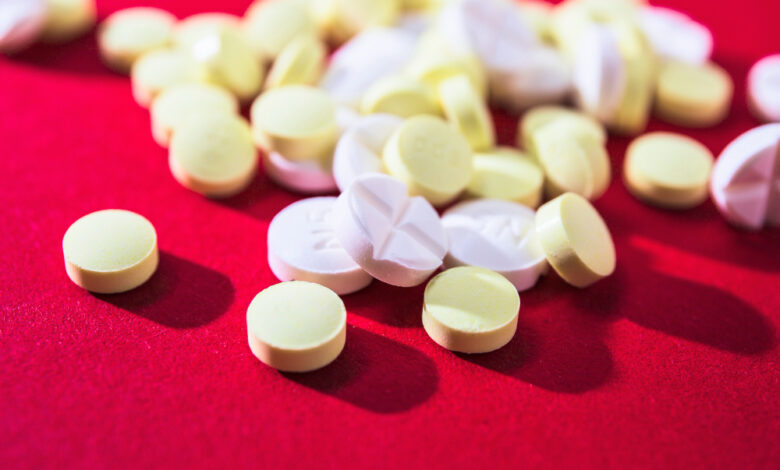
Withdrawal is the body’s natural response when a substance it has become accustomed to is suddenly removed. When you regularly use 7OH Tablets or other products, your body adapts to its presence to maintain a state of balance, or homeostasis. It gets used to the calming and comforting signals the alkaloid provides.
When you stop taking it, your body needs time to readjust and find its equilibrium without that external input. This period of recalibration is when withdrawal symptoms can occur. These symptoms are simply signs that your body is working to get back to its baseline. The experience is temporary and a normal part of the process for many regular users.
Factors That Influence the Withdrawal Timeline
There is no one-size-fits-all answer to how long withdrawal lasts. The duration and intensity are unique to each individual and depend on several key factors:
- Duration and Frequency of Use: Someone who has been taking high doses of 7-OH multiple times a day for years will likely have a longer and more intense withdrawal period than someone who has used a lower dose once a day for a few months.
- Dosage: Higher daily doses generally lead to a more pronounced withdrawal experience. Your body has more adjusting to do.
- Individual Metabolism: Just as your metabolism affects how long the effects of 7-OH last, it also influences how quickly your body clears the alkaloids and readjusts.
- Method of Cessation (Taper vs. Cold Turkey): This is the biggest factor you can control. Stopping abruptly (“cold turkey”) is a shock to the system and usually results in the most intense symptoms. A gradual tapering plan, where you slowly reduce your dose over time, allows your body to adjust gently and can significantly reduce the severity and duration of withdrawal.
- Overall Health: Your physical and mental health play a role. A healthy diet, regular exercise, and good stress management skills can all help your body navigate the transition more easily.
A General Timeline for 7-OH Withdrawal
While it varies, the withdrawal timeline for 7-OH generally follows a predictable pattern, often broken down into two main phases: the acute phase and the post-acute (or protracted) phase.
Phase 1: The Acute Phase (First 3-5 Days)
This is the initial and most intense period of withdrawal. Symptoms typically begin within 12 to 24 hours after the last dose and peak around day two or three. During this phase, you might experience a range of physical and emotional symptoms as your body works hard to rebalance itself.
Common Acute Symptoms:
- Physical:
- Fatigue or lethargy
- Restless legs and body aches (often described as flu-like)
- Runny nose and watery eyes
- Increased sweating or chills
- Difficulty sleeping (insomnia)
- Stomach upset or nausea
- Emotional:
- Irritability and mood swings
- Anxiety or a general sense of unease
- Low mood or lack of motivation
For most people, these acute symptoms will start to subside significantly after the 72-hour mark. By day five, many feel a noticeable improvement as the most challenging part of the physical withdrawal passes.
Phase 2: Post-Acute Withdrawal Symptoms (PAWS) (1 Week to Several Weeks)
After the acute phase, the intense physical symptoms usually fade, but some less severe, more psychologically-based symptoms may linger. This is often referred to as Post-Acute Withdrawal Syndrome (PAWS). It’s important to know this is normal and temporary.
Common Post-Acute Symptoms:
- Lingering Fatigue: You might still feel lower on energy than usual.
- Emotional Ebbs and Flows: Occasional mood swings or periods of anxiety can still occur.
- Sleep Disturbances: Your sleep schedule may take a little longer to get back to normal.
- Cravings: You might experience psychological cravings for the substance.
The duration of this phase is highly variable. For most light to moderate users, these symptoms will fade within a week or two. For long-term, heavy users, they could persist in a mild and intermittent way for several weeks. The key is that these symptoms are much less intense than the acute phase and will gradually improve over time.
How to Make the Withdrawal Process More Comfortable
The good news is that you don’t have to be a passive bystander. There are proactive steps you can take to support your body and significantly ease the discomfort of withdrawal.
1. Taper, Don’t Jump
This is the single most effective strategy. By slowly reducing your dose of 7OH products, you give your body a chance to catch up. A well-planned taper can make the withdrawal process so mild that it’s barely noticeable.
2. Hydrate and Nourish Your Body
Your body is doing a lot of work. Give it the fuel it needs.
- Water is Key: Dehydration can amplify symptoms like fatigue and headaches. Keep a water bottle with you and sip consistently.
- Eat Well: Focus on nutrient-dense foods. Complex carbs can help with energy, while lean protein can support mood regulation. Avoid junk food, which can contribute to energy crashes and mood swings.
3. Gentle Movement is Your Friend
While you might not feel like running a marathon, light exercise can be incredibly beneficial.
- Walking: A simple walk can release endorphins, which are natural mood lifters and pain relievers.
- Stretching or Yoga: These can help with muscle aches and restlessness.
- Warm Baths: A warm bath with Epsom salts can be very soothing for sore muscles and can promote relaxation before bed.
4. Prioritize Rest, Even if Sleep is Hard
You may struggle with sleep, but it’s crucial to rest.
- Create a Routine: Stick to a regular sleep schedule, even on weekends.
- Wind Down: Avoid screens an hour before bed. Try reading a book, listening to calming music, or practicing deep-breathing exercises.
- Don’t Fight It: If you can’t sleep, get up and do something relaxing in low light until you feel tired again.
5. Be Patient and Kind to Yourself
Remember that withdrawal is a temporary state. Your body is healing. Acknowledge that you might not feel 100% for a little while, and that’s okay. Give yourself permission to take it easy. Celebrate small victories, like getting through the first 24 hours or sleeping a little better.
By understanding the withdrawal timeline and supporting your body through the process, you can navigate this transition with confidence. For most users who follow a sensible tapering plan, the experience is manageable and short-lived, opening the door to a reset and a renewed sense of well-being.